
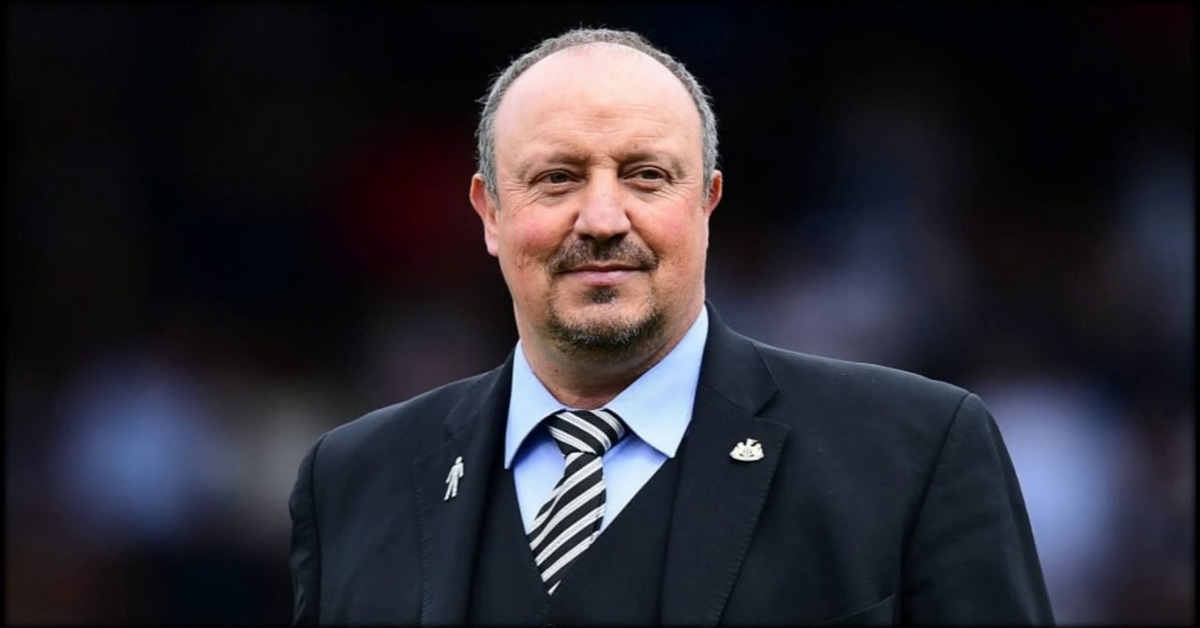
Rafa Benítez is one of the most analytically respected football managers in modern history. Known for his tactical discipline, structured defensive systems, and European success, he has built a career spanning Spain, England, Italy, China, and Greece.
Unlike many managers defined only by trophies, Benítez represents a deeper football philosophy—where strategy, preparation, and adaptability matter as much as talent.
From the unforgettable UEFA Champions League final comeback in 2005 to league titles with Valencia and silverware across multiple countries, his career reflects both brilliance and controversy.
This article explores his journey in depth—tactics, achievements, setbacks, and legacy.
Early Life in Madrid – The Making of a Football Thinker
Growing Up in a Football Environment
Rafa Benítez was born on 16 April 1960 in Madrid, Spain, a city deeply connected with football culture. From a young age, he was surrounded by the sport, which helped shape his analytical approach to the game.
Education That Shaped His Coaching Style
Benítez took a different path compared to many football figures by focusing strongly on academics.
- Studied Physical Education at university level
- Specialized in sports science and coaching principles
- Developed an early interest in structured training methods
This academic foundation later became central to his identity as a manager who relied on analysis and preparation.
Playing Career – A Modest Path That Built a Future Coach
Real Madrid Youth Experience
Benítez developed within the Real Madrid system, playing as a defender and midfielder. He trained in a competitive environment but never fully broke into the elite first team.
Early Retirement and Career Shift
Recurring injuries forced him to retire early from professional football.
Instead of continuing as a lower-level player, he made a key decision that shaped his future:
- Transition into coaching at a young age
- Focus on tactical development rather than playing fame
This shift laid the foundation for his managerial identity.
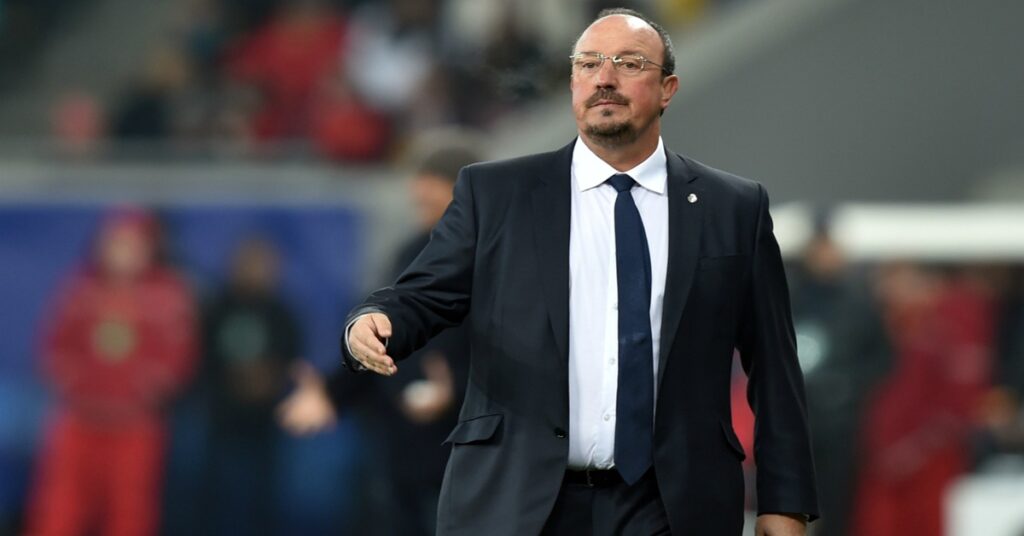
Coaching Foundations – Building Discipline Step by Step
Early Roles in Spanish Football
Before reaching elite football, Benítez managed several lower-division clubs in Spain.
These roles helped him learn:
- Squad management under pressure
- Tactical discipline with limited resources
- Promotion battles and survival strategies
Early Tactical Identity
Even in these early stages, clear patterns emerged:
- Defensive structure as a priority
- Compact team shape
- Controlled possession with purpose
Valencia Era – The Tactical Revolution
Breaking the Spanish Football Hierarchy
At Valencia, Benítez achieved something remarkable—challenging the dominance of Spain’s biggest clubs.
Major achievements included:
- Two league titles
- European trophy success
Tactical Blueprint
His Valencia team was built on:
- Structured defensive organization
- 4-2-3-1 system
- Fast counter-attacking transitions
- Midfield balance and discipline
Key midfield structure:
- A double pivot for stability
- Quick attacking support through wide players
Why Valencia Stood Out
Valencia under Benítez became:
- One of Europe’s most disciplined defensive teams
- A counter-attacking threat against stronger squads
- A model of tactical efficiency over financial power
Liverpool Era – European Glory and Tactical Identity
Arrival in England
Benítez joined Liverpool in 2004, stepping into one of Europe’s most demanding football environments.
The 2005 Champions League Final
The defining moment of his career came in Istanbul.
Liverpool faced a 3–0 halftime deficit but staged a historic comeback to win on penalties.
Key tactical changes included:
- Midfield restructuring for control
- Increased attacking pressure
- Adjusted defensive balance
This match became one of football’s greatest comebacks and defined his legacy.
Domestic and European Performance
During his Liverpool tenure:
- Won domestic cup success
- Reached multiple European finals
- Maintained strong knockout competition performance
However, league consistency remained a challenge throughout his time in England.
European Career Journey – Managing Across the World
After Liverpool, Benítez managed several top clubs across different leagues.
Key Clubs Managed
- Inter Milan
- Chelsea
- Napoli
- Real Madrid
- Newcastle United
- Everton
- Celta Vigo
- Clubs in China and Greece
Notable Achievements
- European trophy success in England
- Domestic cup victories in Italy
- Promotion success in England’s lower division
- Stability rebuilding at multiple clubs
Adaptability Across Cultures
One of his strongest traits is his ability to:
- Adjust tactics to different leagues
- Work with diverse squads
- Apply structured systems in various football cultures
Tactical Philosophy – The Science of Benítez Football
Defensive Structure First
His football philosophy is built on:
- Compact defensive shape
- Controlled space between lines
- Structured team organization
Formation Preference
He often uses:
- 4-2-3-1 system
- Double pivot midfield structure
- Balanced attacking transitions
Counter-Attacking Style
His teams excel in:
- Quick transitions
- Exploiting defensive gaps
- Structured buildup play
Analytical Coaching Approach
Benítez is known for:
- Detailed opponent analysis
- Tactical preparation before matches
- Structured training sessions based on data and observation
Strengths vs Criticism
Strengths
- Tactical intelligence
- Strong European record
- Excellent defensive organization
- Adaptability across leagues
Criticism
- Conservative playing style
- Inconsistent league performance
- Tactical rigidity in some long-term projects
Despite criticism, his tactical influence remains highly respected.
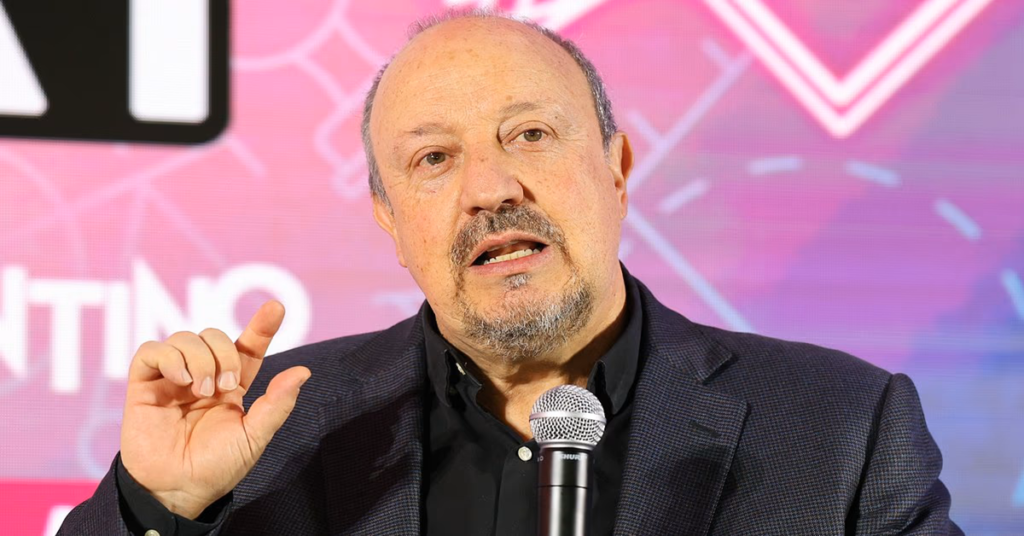
Net Worth and Professional Value
Benítez has earned significant wealth through decades of top-level management.
Financial Profile
- Estimated net worth: around 30 million USD
- High-level managerial salaries across top clubs
- Performance-based bonuses over long career
His financial success reflects his long-standing demand in elite football.
Personal Life – A Private Professional Figure
Benítez is known for maintaining a disciplined and private lifestyle.
- Married with two daughters
- Strong focus on family stability
- Avoids media attention
- Maintains calm and professional public behavior
His personality reflects his coaching philosophy—structured and controlled.
Legacy – Impact on Modern Football
Rafa Benítez’s legacy is defined by both success and debate.
Key Contributions
- Revolutionized tactical preparation in football
- Proved structured systems can defeat financially stronger teams
- Excelled in European knockout competitions
Historical Importance
He is widely regarded as:
- A tactical specialist
- A European competition expert
- A manager who influenced modern analytical coaching methods
His work continues to be studied in football coaching environments.
Latest Role – Continued Presence in Football
In recent years, Benítez has continued managing at professional level, including roles in Europe.
Even late in his career:
- He remains tactically active
- Continues adapting to modern football demands
- Maintains respect across European football circles
Conclusion – The Dual Identity of Rafa Benítez
Rafa Benítez is a rare figure in football history. His career combines:
- Tactical intelligence
- European success
- Long-term adaptability
- Periods of criticism and debate
From Valencia’s dominance to Liverpool’s unforgettable European night, his journey reflects the complexity of modern football management.
He remains one of the most influential tactical minds of his generation.
Frequently Asked Questions (FAQ)
Who is Rafa Benítez?
A Spanish football manager known for his tactical discipline and European success.
What is his biggest achievement?
Winning the UEFA Champions League with Liverpool in 2005.
Which clubs has he managed?
He has managed top clubs across Spain, England, Italy, China, and Greece.
What is his tactical style?
A structured defensive system focused on balance, discipline, and counter-attacks.
What is his estimated net worth?
Approximately 30 million USD from long-term managerial success.
