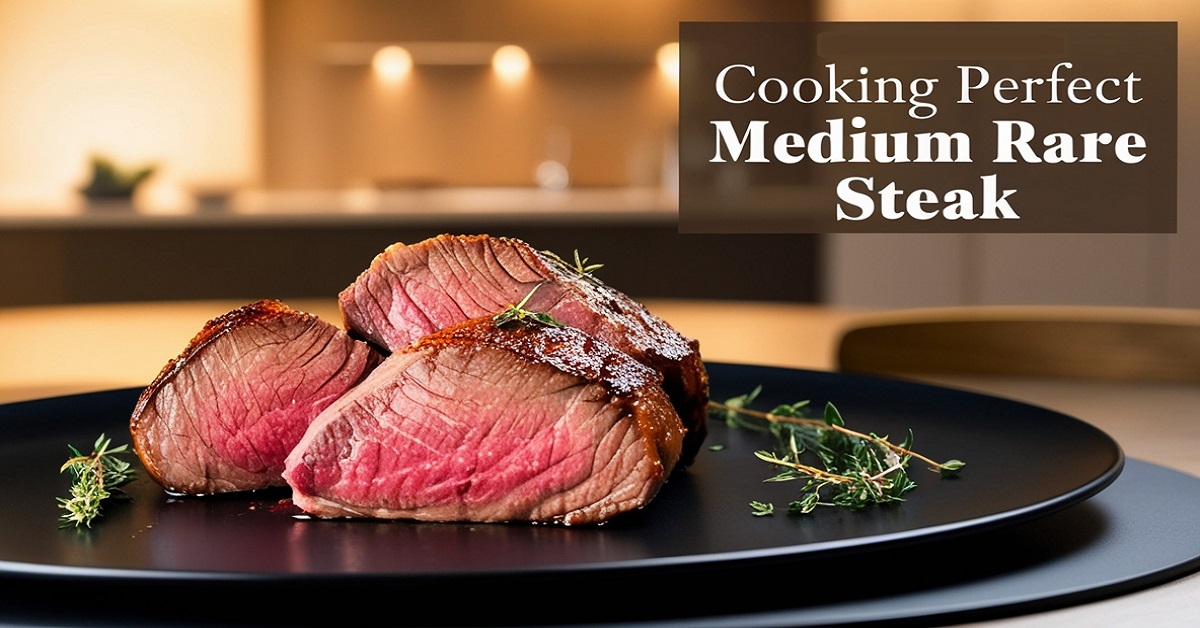
If you’ve ever wondered why steakhouse steaks taste way better, the secret often comes down to one thing: medium rare steak temp. Getting that perfect balance of juicy tenderness and rich flavor isn’t luck—it’s science, technique, and just a little bit of patience, honestly.
In this guide, you’ll learn exactly what medium rare steak temperature is, why it’s considered ideal, and how you can consistently nail it at home (even if your past steaks didn’t go so great).
🔥 What Is Medium Rare Steak Temp?
Medium rare steak temp ranges between 130°F–135°F (54°C–57°C).
At this internal temperature:
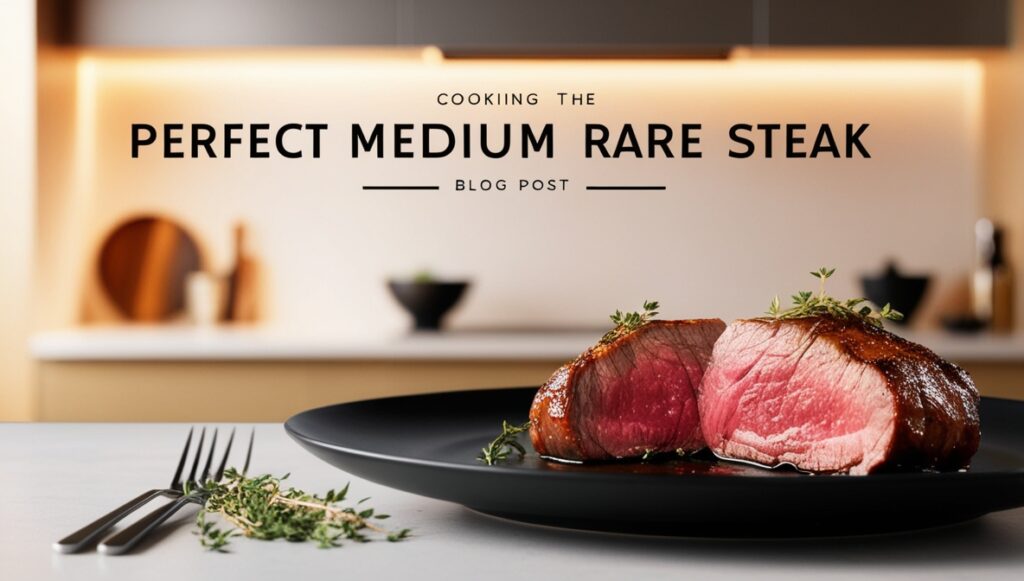
- The steak has a warm red center
- The texture stays tender and juicy
- The flavor remains rich and natural
👉 Semantic insight:
Medium rare steak temp → ranges between → 130°F–135°F
This doneness level allows the meat fibers to stay relaxed instead of tightening up, which helps retain moisture. That’s why medium rare steaks just feel softer and more flavorful when you eat them.
🧠 Why Medium Rare Is the Ideal Steak Temperature
Medium rare is considered the ideal steak doneness because it maximizes flavor, moisture, and tenderness.
Here’s why chefs swear by it:
1. Moisture Retention
Cooking beyond medium rare causes meat fibers contraction, which pushes out juices.
👉 Semantic insight:
Medium rare cooking → preserves → moisture and juiciness
So yeah, if your steak ever turned dry… it was probably overcooked.
2. Flavor Enhancement Through Marbling
The marbling (intramuscular fat) begins to melt at this temperature, creating that buttery, rich taste.
👉 Semantic insight:
Marbling → enhances → flavor and tenderness
Cuts like ribeye steak and filet mignon really shine here, because they naturally contain more fat.
3. Perfect Crust with Juicy Interior
The Maillard reaction creates a flavorful crust when searing at high heat.
👉 Semantic insight:
Maillard reaction → creates → seared crust and rich flavor
That contrast between crispy outside and soft inside? That’s the magic.
🍳 How to Achieve the Perfect Medium Rare Steak Temp
To cook a steak medium rare, remove it from heat at 125°F–130°F and let it rest until it reaches 130°F–135°F.
There are several reliable cooking methods:
🔥 1. Grilling Method
- Preheat grill to high heat
- Sear steak 3–5 minutes per side
- Use a meat thermometer for accuracy
- Remove at ~125°F
🍳 2. Pan-Searing (Cast Iron)
- Heat a cast iron skillet until very hot
- Add oil, then steak
- Sear each side for 3–4 minutes
- Add butter for butter basting
💧 3. Sous Vide Method
- Set water bath to 130°F
- Cook steak for 1–4 hours
- Finish with a quick sear
This method gives you near-perfect control, though yeah it takes a bit longer.
⏱️ Why Resting Your Steak Matters
Let your steak rest for 5–10 minutes after cooking.
👉 Semantic insight:
Resting steak → redistributes → internal juices
If you cut into it too early, all those juices will just spill out… and you’ll lose that tenderness you worked for.
❌ Common Mistakes to Avoid
Cooking a perfect steak isn’t hard, but these mistakes can ruin it fast:
- Not using a thermometer → leads to guesswork
- Overcooking past 135°F → dries out the steak
- Skipping resting time → causes juice loss
- Using low-quality cuts → affects flavor regardless of technique
Honestly, the biggest one is skipping the thermometer. It makes a huge difference.
📊 Steak Doneness Comparison Chart (Topical Gap Covered)
Here’s a quick steak doneness chart for better understanding:
| Doneness Level | Internal Temp | Center Color | Texture |
|---|---|---|---|
| Rare | 120–125°F | Cool red | Very soft |
| Medium Rare | 130–135°F | Warm red | Tender & juicy |
| Medium | 140–145°F | Pink | Slightly firm |
| Medium Well | 150–155°F | Slight pink | Firm |
| Well Done | 160°F+ | Brown | Dry & tough |
This helps you quickly identify where medium rare sits compared to other levels.
🥩 Choosing the Right Cut for Medium Rare (Topical Gap Covered)
Not all steaks cook the same, and yeah this part is often ignored.
Best Cuts for Medium Rare:
- Ribeye steak → High marbling, very juicy
- Filet mignon → Extremely tender, lean
- New York strip → Balanced flavor and texture
Key Factors:
- Thickness matters → thicker steaks cook more evenly
- Fat content → more fat = more flavor
- Bone-in vs boneless → bone-in may take slightly longer
So if your steak isn’t turning out right, it might not just be your cooking—it could be the cut too.
🌡️ Pro Tips for Perfect Medium Rare Steak
If you want to level up your steak game, keep these in mind:
- Always use a meat thermometer
- Let steak come to room temperature before cooking
- Season generously with salt and pepper
- Use high heat for a proper seared crust
- Rest before slicing
And yeah, don’t rush it. Good steak takes a bit of patience.
🍽️ Final Thoughts
Mastering the medium rare steak temp isn’t just about numbers—it’s about understanding how heat affects meat fibers, marbling, and overall flavor.
When done right:
- You get a juicy steak texture
- You preserve the beef flavor profile
- You create a restaurant-quality experience at home
Once you nail this, honestly, it’s hard to go back to overcooked steak again.
❓ FAQ: Medium Rare Steak Temp
1. What temperature is medium rare steak?
Medium rare steak is cooked to an internal temperature of 130°F–135°F (54°C–57°C). At this level, the steak has a warm red center, retains juices, and offers the perfect balance of tenderness and flavor.
2. How do I know my steak is medium rare without a thermometer?
You can use the finger test method, but it’s not very accurate. Medium rare feels slightly springy. Still, using a meat thermometer is the most reliable way to avoid overcooking or undercooking.
3. Why is medium rare steak more juicy?
Medium rare steaks are juicy because the meat fibers haven’t tightened fully, so they retain moisture. Cooking beyond this temperature causes juices to escape, resulting in a drier and less flavorful steak.
4. Can all steaks be cooked medium rare?
Most high-quality cuts like ribeye, filet mignon, and strip steak are ideal for medium rare. However, tougher cuts with less marbling may require different cooking methods to become tender and flavorful.