
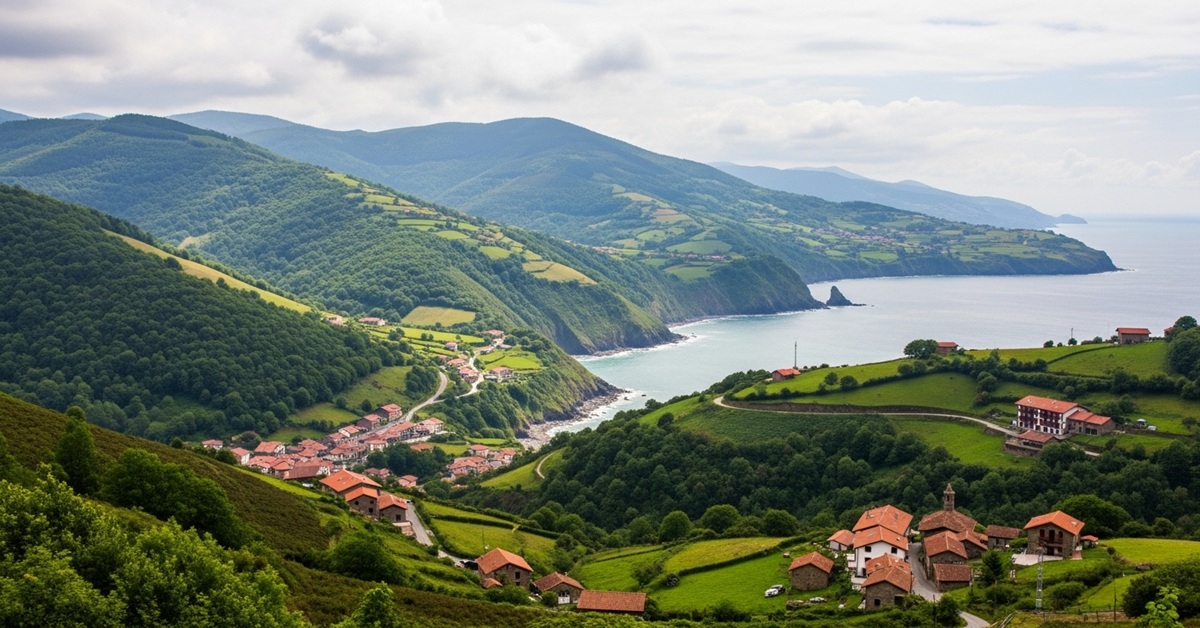
The basqueserpartists represent a long-standing political and cultural movement seeking greater autonomy—or full independence—for the Basque Country, a unique region spanning northern Spain and southwestern France. Rooted in a distinct language (Euskara), deep cultural identity, and historical grievances, the movement has evolved from peaceful nationalism into one of Europe’s most complex political struggles.
At its most intense phase, the movement was associated with ETA (Euskadi Ta Askatasuna), an armed organization responsible for decades of violence before its dissolution in 2018. Over time, however, Basque separatism has largely shifted into democratic and political channels.
Today, understanding Basque separatists means understanding a transition—from armed conflict to political negotiation and cultural identity-building.
🗺️ The basqueserpartists – A Unique Cultural and Political Region
🌍 Geographic Identity
The Basque Country lies between:
- Northern Spain (autonomous region: País Vasco / Euskadi)
- Southwestern France (French Basque areas)
This cross-border identity is rare in Europe and has contributed to strong regional solidarity.
🧬 Cultural Uniqueness
The Basque people are one of Europe’s oldest ethnic groups, with:
- A language isolate (Euskara) unrelated to any Indo-European language
- Distinct traditions, sports, and folklore
- Strong cultural preservation movements
This uniqueness fuels the emotional foundation of Basque nationalism.
🏛️ Historical Autonomy (Fueros System)
Before modern nation-states, Basque territories had self-governing laws (fueros) granting:
- Local governance rights
- Tax control systems
- Judicial autonomy
These privileges were gradually reduced as Spain centralized power, creating long-term political tension.
📜 Origins of basqueserpartists
🧠 Rise of National Identity (19th Century)
Modern Basque nationalism emerged during:
- Industrialization
- Migration from other Spanish regions
- Cultural fear of assimilation
The goal initially was not independence but autonomy and cultural protection.
⚔️ Franco Era Repression
Under dictator Francisco Franco (1939–1975):
- Basque language was banned in public life
- Political autonomy was removed
- Cultural identity was suppressed
This period is widely considered a turning point that radicalized segments of the movement.
🧱 Formation of ETA (1959)
Frustration with peaceful political methods led to the creation of ETA in 1959.
According to historical records:
- ETA formed from young nationalist students
- It rejected the moderate Basque Nationalist Party
- It adopted armed struggle as a strategy
- It combined nationalism with Marxist ideology over time

⚔️ ETA and the Era of Armed Conflict
💣 Rise of Violence (1960s–2011)
ETA became one of Europe’s most controversial militant groups.
Its campaign included:
- Bombings
- Kidnappings
- Assassinations
Targets often included:
- Spanish officials
- Security forces
- Judges and politicians
Over its active years, ETA was responsible for more than 800 deaths
Some estimates suggest even higher numbers when indirect victims are included.
🧨 Peak of Conflict
The most intense phase occurred between:
- Late 1970s and early 2000s
During this time:
- Spain’s young democracy was under pressure
- Public fear and political polarization increased
- Security operations expanded dramatically
🌐 International Classification
ETA was widely recognized as:
- A terrorist organization by the European Union
- A terrorist group by the United States
🕊️ Ceasefires and End of Violence
Key milestones:
- 1998: temporary ceasefire
- 2006: “permanent ceasefire” announcement (later broken)
- 2011: definitive end to armed activity
In 2018, ETA formally disbanded, ending over 50 years of conflict.
🧠 Ideology Behind basqueserpartists
🧬 Core Identity Drivers
Basque separatism is built on three pillars:
1. Cultural Identity
- Protection of Euskara language
- Preservation of traditions
- Distinct ethnic identity
2. Political Autonomy
- Self-governance demands
- Control over regional institutions
3. Economic Arguments
- The Basque Country is one of Spain’s wealthiest regions
- Strong industrial base strengthens independence arguments
📊 Public Opinion Today
Modern surveys show a divided society:
- ~19% support independence
- ~43% oppose it
- Remaining population is conditional or undecided
This indicates that independence is not a majority demand today.
🏛️ Political Landscape After ETA
🗳️ Shift to Democratic Politics
After ETA’s decline:
- Basque separatism moved into parliamentary politics
- Parties like EH Bildu represent left-wing nationalist views
- Mainstream Basque Nationalist Party (PNV) dominates regional governance
⚖️ Spain’s Approach
Spain has responded with:
- Strong regional autonomy for the Basque Country
- Fiscal independence through tax collection rights
- Integration of Basque identity into constitutional frameworks
This has reduced—but not eliminated—separatist pressure.
📈 Recent Political Trends
Modern elections show:
- Strong performance of separatist parties
- But limited support for full independence
- Focus has shifted toward housing, healthcare, and governance issues rather than sovereignty debates
🧬 Social and Cultural Dimensions
🗣️ Language Revival
Euskara revival is central:
- Schools teach Basque language
- Media and government promote bilingualism
- Cultural institutions support identity preservation
🎭 Cultural Symbols
Key symbols include:
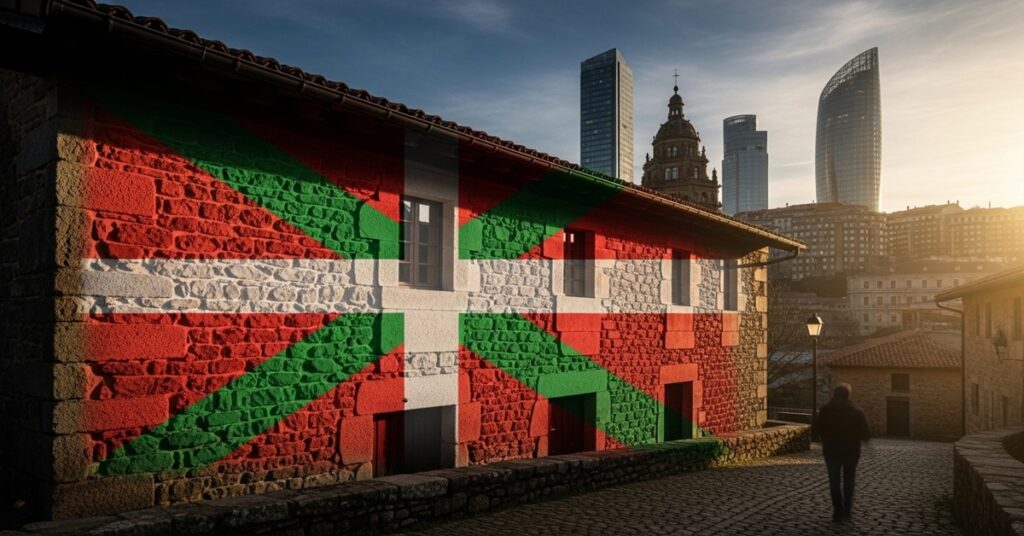
- Ikurriña (Basque flag)
- Traditional festivals
- Local sports like pelota
These reinforce identity without political violence.
🧾 Reconciliation Efforts
Post-conflict society focuses on:
- Victim remembrance programs
- Public acknowledgment of suffering
- Social healing initiatives
📊 Impact of the Conflict
⚖️ Human Cost
The ETA conflict left:
- Hundreds of dead
- Thousands of injured
- Deep psychological trauma in communities
It remains one of Western Europe’s longest modern political conflicts.
💰 Economic Impact
Despite conflict:
- The Basque region maintained strong economic growth
- Post-conflict tourism increased
- Stability improved investment climate
🌍 basqueserpartists in a Global Context
🌐 Comparison with Other Movements
Basque separatism is often compared with:
- Catalonia (Spain)
- Scotland (UK)
- Corsica (France)
However, it is unique because:
- It moved from armed struggle to full political disbandment
- It achieved significant autonomy without independence
🔮 Future Outlook
Possible long-term scenarios:
1. Increased Autonomy (Most Likely)
- Continued self-governance
- Strong regional identity within Spain
2. Stable Status Quo
- Current autonomy remains unchanged
- Low support for independence persists
3. Independence Movement Revival (Low Probability)
- Would require major political shifts
❗ Misconceptions About Basque Separatists
Common misunderstandings include:
- “All Basques support independence” → False
- “Basque separatists are still violent” → Mostly outdated
- “ETA still exists” → Incorrect; it disbanded in 2018
Modern Basque politics is largely peaceful and institutional.
🧭 Key Takeaways
- Basque separatism is rooted in language, identity, and historical autonomy
- ETA represented the violent phase of the movement but no longer exists
- Modern separatism is largely political, not militant
- Independence support is minority-level but persistent
- The Basque Country today is one of Europe’s most autonomous regions
🧾 Conclusion
The story of the basqueserpartists is not just about conflict—it is about transformation. What began as cultural resistance evolved into political radicalization and later returned to democratic engagement.
Today, the Basque Country stands as an example of how deeply rooted identity movements can shift away from violence while still preserving their core aspirations.
The question is no longer whether Basque identity exists—it clearly does—but how it will continue to express itself within modern Spain and Europe.
