
Some diseases whisper before they strike. Ozdikenosis is one of them—a rare condition that hides behind everyday fatigue and weakness until it becomes life-threatening. Many people are now asking, “why does ozdikenosis kill you?”
The answer lies deep within the body’s smallest units—your cells. This rare genetic disorder disrupts how your body produces energy, triggering metabolic dysfunction, organ failure, and ultimately death if left untreated.
What Exactly Is Ozdikenosis?
Ozdikenosis is a progressive genetic disorder that affects how cells process oxygen and generate energy. Unlike infectious diseases, it is not contagious—you are born with it due to inherited genetic mutations.
At its core, the disease causes mitochondrial damage, meaning your body’s energy factories slowly fail. Over time, this leads to:
- Chronic fatigue
- Weak immune response
- Gradual organ decline
Origins and Meaning of the Term
The name “Ozdikenosis” is derived from medical roots referring to oxygen imbalance and cellular decay. Early observations showed that patients had abnormal oxygen-processing patterns, leading to systemic inflammation and organ weakness.
How It Connects to Cellular Failure
Medical discussions and rare disease research suggest that ozdikenosis behaves like a severe metabolic disorder. When mitochondria stop producing energy efficiently, the entire body begins to shut down—organ by organ.
Early Warning Signs Most People Overlook
Ozdikenosis often starts quietly, mimicking common conditions like stress or burnout.
Physical and Neurological Symptoms
Common early symptoms include:
- Persistent fatigue
- Shortness of breath
- Muscle pain or weakness
- Brain fog and dizziness
- Poor coordination
These are not just minor issues—they signal deeper cellular and organ stress.
Why Misdiagnosis Is Dangerous
Because symptoms appear mild at first, many patients are misdiagnosed. This delay allows the disease to progress silently, causing irreversible damage.
Early genetic testing and diagnosis can significantly improve survival and slow disease progression.
How Does Ozdikenosis Turn Deadly?
The core reason ozdikenosis becomes fatal is energy failure at the cellular level.
Mitochondrial Collapse Explained
Mitochondria convert oxygen into usable energy. In ozdikenosis:
- Oxygen is not properly utilized
- Energy production drops
- Cells begin to starve
This triggers metabolic dysfunction and inflammation, weakening the entire body.
Multi-Organ Failure Chain Reaction
As energy levels drop, vital organs begin to fail:
| Affected Organ | Result of Cellular Collapse |
|---|---|
| Heart | Irregular heartbeat, low energy |
| Lungs | Oxygen imbalance, breathing difficulty |
| Liver | Toxin buildup, metabolic failure |
| Kidneys | Waste retention, electrolyte imbalance |
This domino effect explains why does ozdikenosis kill you—it slowly shuts down the body from within.
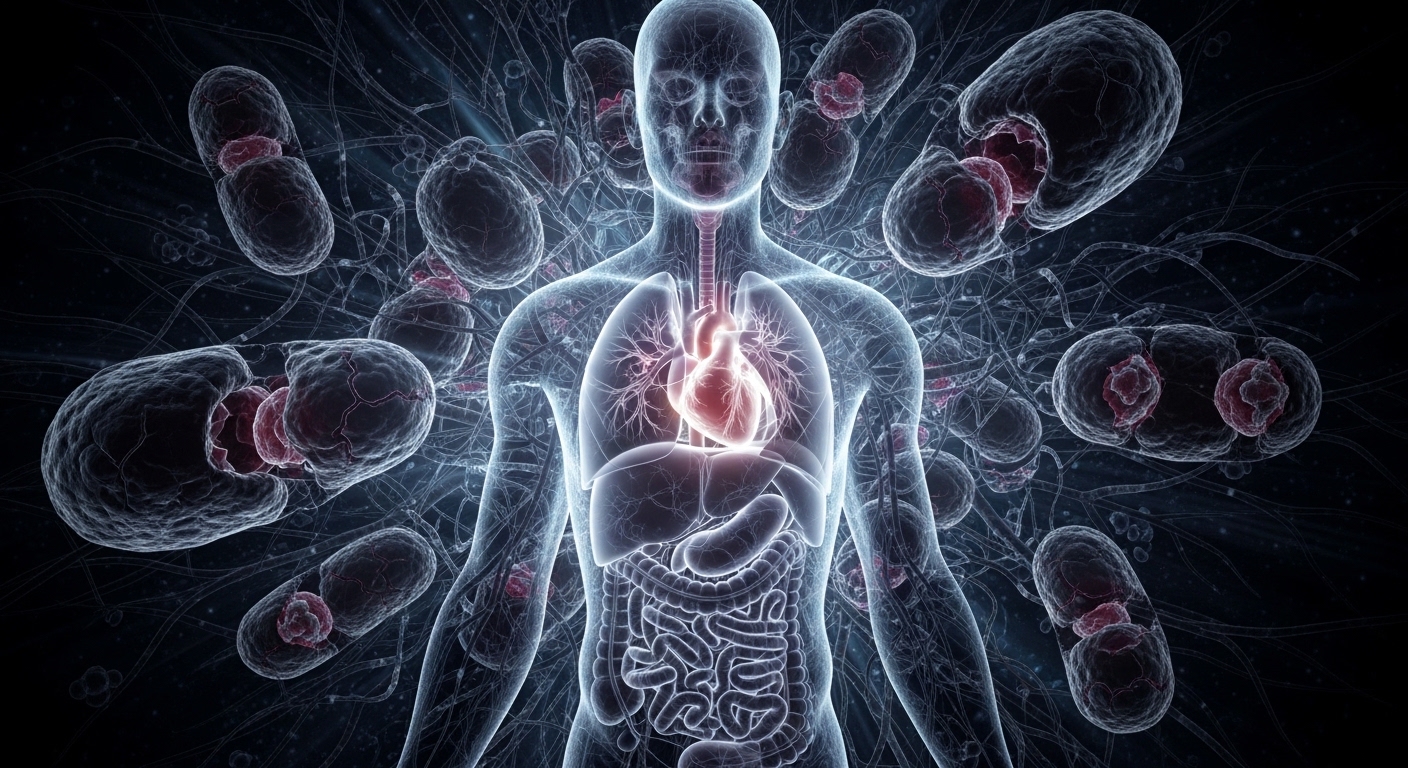
Visualizing Cellular Breakdown
Ozone Therapy (Ozonothérapie): Helpful or Harmful?
What Is Ozone Therapy?
Ozone therapy uses controlled ozone gas for medical treatments like wound healing and infection control. It has legitimate uses in certain clinical settings.
The Controversy Around It
Some researchers suggest ozone exposure may:
- Increase oxidative stress
- Damage cell structures
- Worsen metabolic conditions in vulnerable individuals
However, scientific opinions remain divided.
Known Side Effects
Common risks include:
- Lung irritation
- Skin sensitivity
- Reduced immune efficiency
Improper use may accelerate mitochondrial damage, especially in patients with underlying conditions like ozdikenosis.
Who Is Most at Risk?
Genetic Factors
People with inherited mutations affecting oxygen metabolism are at highest risk.
Environmental Triggers
External factors can worsen the condition:
- Pollution exposure
- Toxic chemicals
- Unregulated ozone treatments
Risks of Self-Treatment
“Pro ozone therapy” kits and unverified treatments can cause more harm than good. Medical supervision is essential.
Treatment and Management Options
Currently, there is no complete cure for ozdikenosis, but treatments focus on slowing progression and improving quality of life.
Medical Approaches
- Oxygen therapy
- Experimental gene therapy
- Stem cell research (emerging)
Lifestyle and Nutrition Strategies
Patients can protect cellular health through:
- Antioxidant-rich diets
- Anti-inflammatory foods
- Avoiding toxins and pollutants
These strategies help improve life expectancy and daily functioning.
Prevention and Future Outlook
Can Ozdikenosis Be Prevented?
Complete prevention isn’t possible, but early detection helps:
- Genetic screening
- Monitoring early symptoms
- Preventive lifestyle changes
Future Medical Advances
Researchers are exploring:
- Precision gene therapy
- Safer ozone applications
- Advanced metabolic treatments
These innovations may transform ozdikenosis into a manageable condition in the future.
FAQs About Ozdikenosis
Why does ozdikenosis kill you?
Because it stops cells from producing energy, leading to organ failure.
What are the main symptoms?
Fatigue, breathing issues, muscle weakness, and slow recovery.
Who is at risk?
People with genetic predisposition and exposure to environmental toxins.
Is there a cure?
No, but treatments can slow progression and improve quality of life.
Can ozone therapy help?
It depends—incorrect use may worsen the condition.
Final Thoughts
So, why does ozdikenosis kill you? Because it disrupts the very foundation of life—cellular energy. When cells can’t produce energy, organs fail, and the body shuts down.
However, hope remains. With early diagnosis, medical advancements, and better awareness of rare diseases, ozdikenosis may one day become manageable rather than fatal.
