
Loguytren problems—often a misspelling or variation of the medically recognized condition Dupuytren’s contracture—is a progressive hand disorder that can significantly affect daily life. It develops slowly over time, quietly changing how your fingers move, grip, and function.
In this guide, we’ll break down everything you need to know in a simple, practical, and medically informed way—covering symptoms, causes, diagnosis, treatment options, and real-world impact.
H2: What Are Loguytren Problems?
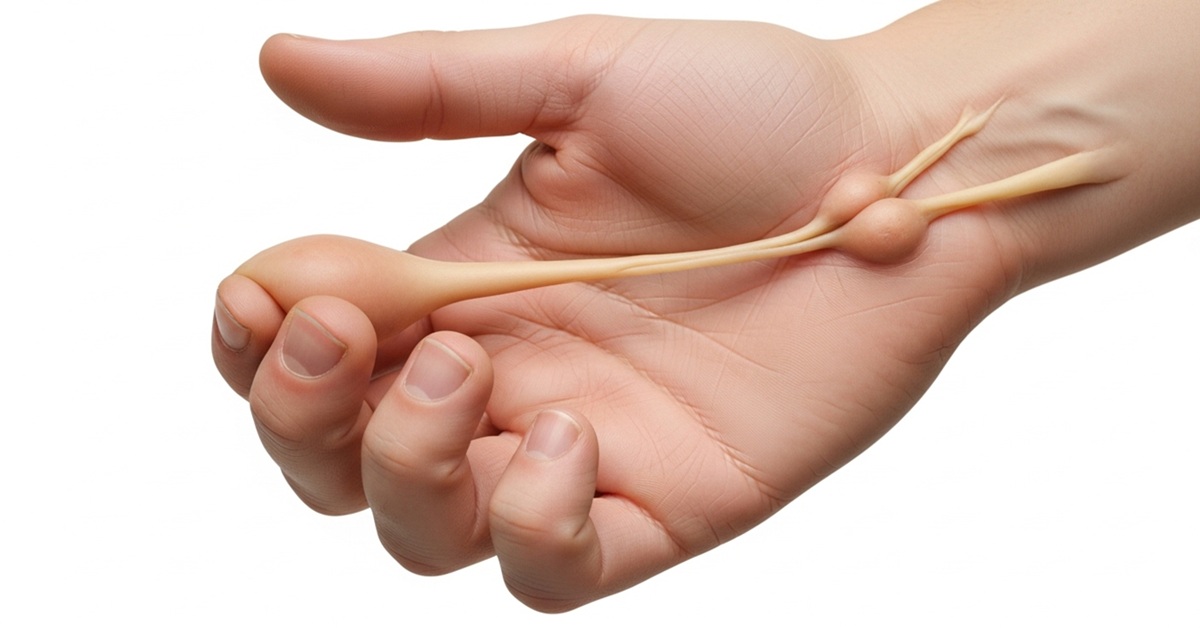
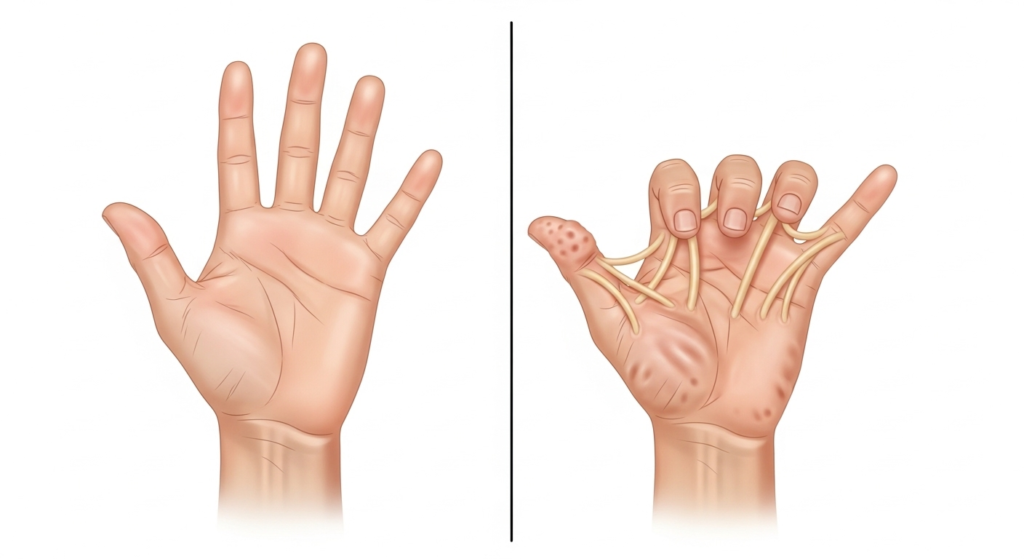
Loguytren problems (Dupuytren’s contracture) is a condition where the connective tissue under the skin of the palm thickens and tightens. Over time, this tissue forms hard cords that pull one or more fingers inward toward the palm.
According to clinical medical sources, this condition:
- Affects the fascia (connective tissue) in the palm
- Develops nodules (small lumps) that gradually turn into cords
- Leads to finger contracture, meaning the finger cannot fully straighten
This condition most commonly affects the ring finger and little finger, and often involves both hands in later stages.
👉 The condition is not usually life-threatening, but it can severely impact hand function and independence.
H3: Why It Is Often Called “Loguytren”
“Loguytren” is not a medically recognized term. It is commonly:
- A spelling variation or search term
- Confused with “Dupuytren’s” due to pronunciation
- Used informally in online discussions
For medical accuracy, the correct term is Dupuytren’s contracture, but both refer to the same condition.
H2: How Loguytren Problems Develop Over Time
This condition does not appear overnight. It progresses in three predictable stages.
H3: Stage 1 — Early Nodule Formation
The earliest sign is usually:
- A small, firm lump in the palm
- Mild tenderness or no pain at all
- Slight tightness when stretching fingers
At this stage, many people ignore it because hand movement is still normal.
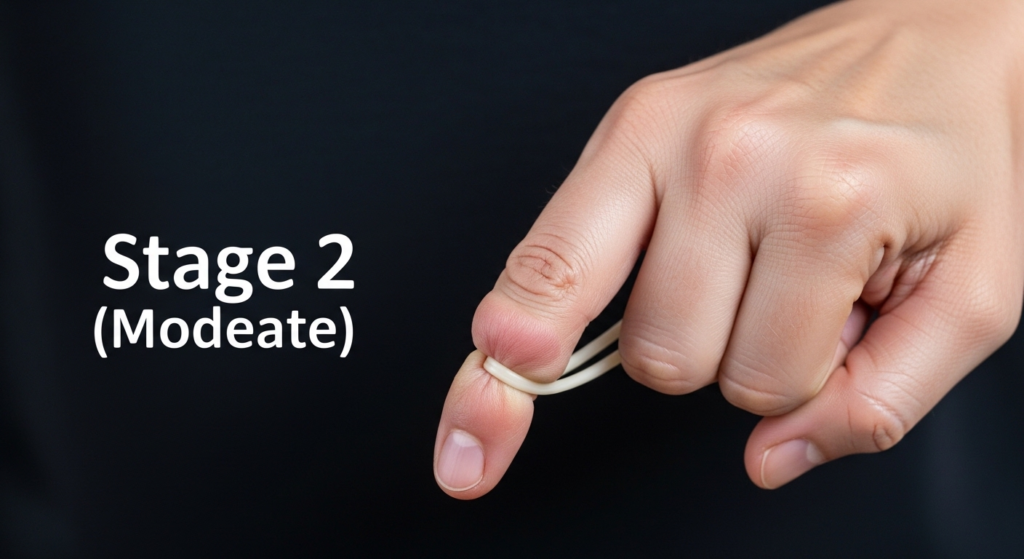
H3: Stage 2 — Cord Formation and Tightness
As the condition progresses:
- Nodules connect and form thick cords
- Fingers begin to lose flexibility
- The palm feels increasingly tight
This is when patients first notice difficulty flattening the hand.
H3: Stage 3 — Finger Contracture
In advanced cases:
- Fingers bend permanently inward
- Straightening becomes impossible
- Hand function becomes significantly limited
Commonly affected fingers include:
- Ring finger
- Little finger
H2: Early Signs You Should Never Ignore
Early detection can make a major difference in management. Watch for:
- Small lump in the palm
- Tightness when opening the hand
- Difficulty placing the hand flat on a surface
- Reduced finger extension
- Mild pulling sensation in fingers
👉 A simple self-check: try placing your palm flat on a table. If you cannot fully flatten it, this may be an early warning sign.
H2: What Causes Loguytren Problems?
The exact cause is still not fully understood by researchers. However, studies show strong links to genetic and lifestyle factors.
H3: Strongly Associated Risk Factors
1. Genetics
- Often runs in families
- Considered a hereditary condition
2. Age
- Most common in people over 50 years old
3. Gender
- Men are significantly more affected than women
H3: Lifestyle and Health Triggers
Research suggests higher risk among people who:
- Smoke tobacco
- Consume alcohol regularly
- Have long-term metabolic or inflammatory conditions
H3: Other Possible Links
Medical studies also associate the condition with:
- Diabetes
- Repetitive hand vibration exposure (tools, machinery)
- Northern European ancestry
👉 Important insight: Not everyone with risk factors develops the condition, showing that biology is still not fully understood.
H2: Why Loguytren Problems Matter
Although not life-threatening, this condition can significantly reduce quality of life.
H3: Impact on Daily Activities
As the disease progresses, it may affect:
- Writing and typing
- Holding tools or utensils
- Shaking hands
- Wearing gloves
- Personal hygiene tasks
H3: Emotional and Social Effects
Many patients also report:
- Embarrassment in social interactions
- Reduced confidence in public
- Frustration due to loss of hand control
H2: How Loguytren Problems Are Diagnosed
Diagnosis is usually straightforward and does not require complex testing.
H3: Physical Examination
Doctors typically:
- Examine palm nodules
- Check finger flexibility
- Compare both hands
H3: Tabletop Test
A simple diagnostic method:
- Place hand flat on a table
- Inability to fully flatten fingers may indicate progression
H3: Specialist Evaluation
You may be referred to:
- Hand specialist
- Orthopedic surgeon
H2: Treatment Options for Loguytren Problems
There is no complete cure, but several treatments can improve function and slow progression.
H3: Non-Surgical Management (Early Stage)
When symptoms are mild:
- Monitoring progression
- Hand therapy exercises
- Stretching routines
👉 Many cases remain stable for years without aggressive treatment.
H3: Minimally Invasive Treatments
These are used when finger bending begins:
Needle Aponeurotomy
- A needle breaks the tight cord
- Quick recovery time
- Minimal scarring
Enzyme Injections
- Enzymes dissolve thickened tissue
- Helps restore movement
- May require repeat sessions
H3: Surgical Treatment (Advanced Cases)
When contracture is severe:
- Thickened tissue is surgically removed
- Provides longer-lasting results
- Requires recovery time and rehabilitation
However, recurrence can still occur over time.
H2: Real-World Insight — What Patients Experience
Clinical research and patient reports show:
- Many cases progress slowly over years
- Some nodules never progress into contracture
- About 5% of adults may show signs of the condition, but not all require treatment
- Recurrence after treatment is common
👉 Key takeaway: It is often manageable, not immediately disabling.
H2: Can Loguytren Problems Be Prevented?
There is no guaranteed prevention method, but risk can be reduced.
H3: Lifestyle Adjustments
- Avoid smoking
- Limit alcohol intake
- Maintain overall hand health
H3: Early Monitoring
- Check for palm lumps regularly
- Track changes in finger flexibility
- Seek early medical advice
H2: Living With Loguytren Problems
If diagnosed early or in mild stages, people can maintain normal life with adjustments.
Practical Tips:
- Use ergonomic tools
- Perform daily finger stretching
- Avoid excessive hand strain
- Consider occupational therapy if needed
H2: Myths vs Facts About Loguytren Problems
Myth 1: It is only cosmetic
✔ Fact: It can severely impact hand function
Myth 2: It always causes pain
✔ Fact: Many cases are painless in early stages
Myth 3: Surgery is always required
✔ Fact: Many cases never need surgery
Myth 4: It affects only one hand
✔ Fact: It often affects both hands over time
H2: When Should You See a Doctor?
Seek medical advice if you notice:
- Increasing finger bending
- Difficulty flattening your hand
- Growing palm nodules
- Reduced grip strength
Early consultation can expand treatment options and slow progression.
H2: Frequently Asked Questions (FAQs)
H3: Is Loguytren (Dupuytren’s contracture) permanent?
It is a long-term condition, but symptoms can be managed effectively with treatment.
H3: Does it affect both hands?
Yes, many patients develop symptoms in both hands over time.
H3: Is it painful?
Usually not. Pain is uncommon, especially in early stages.
H3: Who treats this condition?
A hand specialist or orthopedic doctor typically manages diagnosis and treatment.
H3: Can it come back after treatment?
Yes, recurrence is possible even after surgery or injections.
Final Thoughts
Loguytren problems may start silently, but understanding the early signs can make a major difference in outcomes. While there is no permanent cure yet, modern treatments can effectively manage symptoms and preserve hand function.
The key is simple:
👉 Don’t ignore early changes in your palm
👉 Monitor progression
👉 Seek medical advice early
With timely care, most people continue to lead active, independent lives despite the condition.
